
8 Shadow Work Prompts for Healing Your Deepest Wounds
You’ve read the books. You journal. You meditate. You set clear intentions. Then one sharp comment from your partner drops you into defensiveness, or a mistake at work pulls you into shame that feels much older than the moment itself.
That’s often the threshold of shadow work.
Carl Jung used the term “shadow” for the parts of the personality pushed out of conscious identity, often because they once felt unacceptable, unsafe, or incompatible with how a person learned to belong. If you want a clear overview of that foundation, the C.G. Jung Institute of San Francisco offers a useful introduction to Jung’s concept of the shadow.
The work itself is less mystical than many people expect. In practice, it usually looks like honest writing, careful reflection, and enough emotional pacing to stay present without flooding yourself. Some days that means naming a jealousy you would rather dress up as “discernment.” Other days it means admitting that your people-pleasing, perfectionism, withdrawal, or control is serving as protection, not character.
That trade-off matters. Shadow work can bring relief and clarity, but it can also stir grief, anger, and memory. The goal is not to force a breakthrough. The goal is to tell the truth gently enough that your nervous system can stay with it.
This is also where The Human Life Code adds real value. Classic shadow work helps you identify what has been split off. Your Life Path Number helps you see the pattern that split tends to follow. A Life Path 1 may hide need under self-reliance. A Life Path 2 may bury anger to preserve connection. A Life Path 8 may overidentify with strength and lose contact with vulnerability. The prompt becomes more precise because the pattern has a shape.
Used that way, shadow work prompts for healing stop being generic journal questions. They become targeted tools for seeing your emotional blind spots, the roles you overplay, and the gifts you may have rejected along with the pain.
Table of Contents
- 1. The Core Wound Inquiry Uncovering Your Life Pattern Origins
- 2. The Disowned Self Reclaiming Your Life Path’s Rejected Gifts
- 3. The Projection Mirror Recognizing Your Shadow in Others
- 4. The Shame & Secrecy Excavation Bringing Hidden Patterns to Light
- 5. The Inner Critic Dialogue Understanding Your Life Path’s Critical Voice
- 6. The Discomfort Index Mapping Your Life Path’s Growth Edges
- 7. The Values Contradiction Audit Exposing the Gap Between Stated & Lived Values
- 8. The Survival Strategy Assessment Recognizing Your Life Path’s Protective Patterns
- Shadow Work Prompts: 8-Point Comparison
- Integrating Your Shadow The Path to Wholeness
1. The Core Wound Inquiry Uncovering Your Life Pattern Origins
You notice it after the fact. You over-control the plan, go silent when you feel exposed, or say yes again and feel resentment by nightfall. The behavior looks current, but the root is usually older. Shadow work starts getting useful when you stop asking, “What is wrong with me?” and ask, “What did I learn I had to do to stay safe?”
For this prompt, use your Life Path Number as a pattern lens, not a verdict. A Life Path 4 may trace rigidity back to an unpredictable home. A Life Path 7 may find that distance began as protection after being misunderstood. A Life Path 9 may recognize that chronic over-giving formed early, especially if care, peacekeeping, or maturity were expected too soon.
Start here: What wound does my Life Path challenge point me toward healing?
Then get more specific: When do I remember feeling this pattern for the first time?
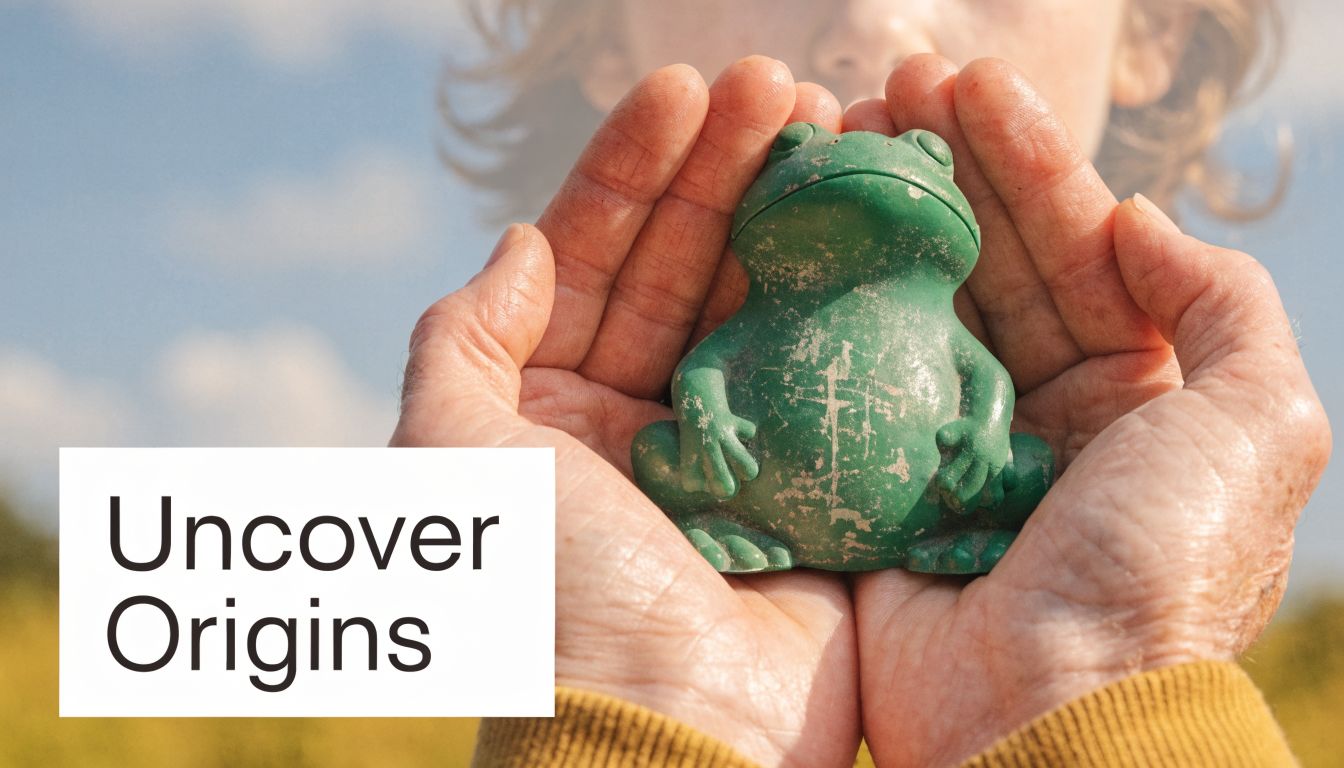
Write the first memory, not the perfect explanation. In practice, the rough sentence is often the honest one. “I learned my needs were inconvenient.” “I got praised for being easy, never for being truthful.” “Being smart or different made me feel alone.” Those statements give you something real to work with.
Ground the body before you write
Set a short timer. Ten minutes is enough. Sit with both feet on the floor, loosen your jaw, and take a few slower breaths before you begin. The point is not to push for a breakthrough. The point is to stay present enough to tell the truth without overwhelming yourself.
Practical rule: If the writing makes you feel flooded, stop and ground first.
That trade-off matters. Going too fast can turn journaling into reenactment. Going too gently can keep the work vague for months. A better middle path is contained honesty. Name one memory, one belief, and one feeling in the body.
Specificity helps. “I have abandonment wounds” is broad and hard to work with. “At eight, I learned that asking for comfort led to irritation” gives the nervous system a clear thread to follow.
Keep numerology in its proper place. Your Life Path does not explain everything, and it should never be used to excuse harmful behavior. It does help you notice the shape your wound tends to take. If you also work with Soul Urge or Expression numbers, compare them lightly. Friction often shows up where your inner desire and your lived pattern pull in different directions.
Return to this inquiry every few months. Core wounds rarely reveal themselves all at once. They surface in layers, and each layer can be met with more accuracy and more compassion.
2. The Disowned Self Reclaiming Your Life Path’s Rejected Gifts
You notice it in ordinary moments. You hold back the opinion you mean. You downplay a strength that would help. You criticize in yourself the exact trait your Life Path is built to develop.
That pattern usually starts early. A child with Life Path 1 may learn that clear self-direction invites conflict, so leadership gets buried under compliance or defensiveness. A Life Path 3 may learn that delight, humor, or creative expression brings ridicule, so their brightness gets edited down. A Life Path 8 may absorb the message that power, money, or visible ambition makes a person selfish, so capability gets split off from integrity.
This is the disowned self. In classic shadow work, it is the part pushed out of awareness because it once felt unsafe to express. The Human Life Code adds something useful here. It helps you identify which gifts you were most likely to reject, based on the emotional lessons tied to your Life Path Number.
Healing starts with accurate reclamation. Rejected gifts do not need to come back in their immature form. Assertiveness can return as clean self-respect, not control. Sensitivity can return as discernment, not collapse. Ambition can return as stewardship, not domination.

How to spot what you rejected
Use these prompts to get specific:
- Name the gift you learned to hide: Which Life Path trait feels risky to embody because it once got you punished, shamed, or excluded?
- Find the original cost: What did you fear would happen if you kept showing this part of yourself?
- Separate the gift from the distortion: What is the healthy version of this trait, and what is the reactive version you do not want to repeat?
- Test a small expression: What is one low-risk way to practice this quality today?
A few examples help. Life Path 2 often disowns healthy needs and direct boundaries because harmony felt safer than honesty. Life Path 5 may suppress curiosity, change, or sensual aliveness after chaotic environments taught them that freedom leads to danger. Life Path 7 sometimes hides pleasure, softness, or ordinary human need because depth became the only identity that felt respectable.
I see the same trade-off again and again. People protect belonging by abandoning a gift that would later make their life more whole. The protection makes sense. Keeping it forever gets expensive.
The part of you that feels hardest to own may be the part your healing now requires.
After journaling, choose one concrete act of reclamation. Send the honest text. Ask for the raise. Share the draft. Rest without apologizing. The nervous system trusts repetition more than insight alone, so small acts matter more than dramatic promises.
Keep a physical reminder nearby after you journal. A note on your mirror, an object on your desk, a phrase in your phone. Reclaiming a gift gets easier when you stop making yourself rediscover it from scratch every day.
3. The Projection Mirror Recognizing Your Shadow in Others
You leave a conversation and keep replaying it for hours. Someone’s confidence irritates you more than it should. Someone else’s ease, ambition, or emotional openness pulls you in with almost embarrassing intensity. Reactions like that usually point to shadow material.
Projection gives you a live map. The traits that stir up outsized judgment or admiration in other people often reveal qualities you have rejected, buried, or expressed in a distorted way. This becomes even more useful when you read it through your Life Path Number, because the pattern is rarely random. It tends to follow the emotional bargain your number learned early.
A Life Path 2 may fixate on people with firm boundaries because they were taught to earn closeness through accommodation. A Life Path 5 may feel sharp irritation toward highly structured people while secretly needing more containment than they want to admit. A Life Path 7 may dismiss others as superficial, while privately grieving their own hunger for simplicity, pleasure, and ordinary belonging.

Turn reaction into information
Use one real person, not a general category. A boss, friend, sibling, creator online, or ex usually gives clearer material than “people like this.”
Then journal through this sequence:
- Name the person: Who creates a strong emotional charge in you right now?
- List the specific traits: Write 5 to 7 qualities you react to. Skip vague labels. Replace “annoying” with something observable, like “takes up space without apologizing.”
- Locate the trait in yourself: Where does this quality show up in you as hidden, restricted, exaggerated, or feared?
- Ask the Life Path question: How does my Life Path Number tend to suppress or distort this trait?
- Finish the sentence: What I am seeing in this person, and struggling to own in myself, is…
This prompt works because it starts with behavior, not theory. You are studying your nervous system in real time. That gives you something more honest than abstract self-analysis.
Research on expressive writing supports the broader idea that structured journaling can help people process difficult emotions and make meaning from internal conflict. Shadow work is its own practice, but writing slows reactivity enough for insight to become usable.
There is a real trade-off here. Projection work can bring humility, self-awareness, and relief. It can also tempt people to overpersonalize harm. If someone is manipulative, cruel, or chronically unsafe, the lesson is not to explain away their behavior because it mirrors something in you. The mature stance is both. Learn from the trigger, and keep the boundary.
A good projection entry usually ends with one honest question: Do I need to reclaim this trait, soften it, or protect myself from how it is being used around me? That answer is where healing starts to get practical.
4. The Shame & Secrecy Excavation Bringing Hidden Patterns to Light
You are answering a harmless question, then feel your chest tighten because the honest response would reveal something you have worked hard to hide. That is usually where shame lives. Not in the fact itself, but in the private rule that says, “If this is seen, I lose love, safety, or belonging.”
This prompt asks for careful truth: What do I never tell anyone about myself? Write the answer plainly. Skip the polished version. Skip the spiritual lesson. Skip the explanation that makes the pattern sound smaller than it feels.
The Human Life Code gives this exercise more precision. Shame often forms around the distorted side of a Life Path gift. A Life Path 4 may hide how much structure they need because they learned to equate order with being rigid or boring. A Life Path 5 may conceal inconsistency, scattered focus, or restlessness because freedom has turned into self-doubt. A Life Path 9 may feel ashamed of ordinary human needs, then overgive until kindness curdles into resentment.
Write what you never say out loud
A useful shame entry has three layers:
- The hidden fact: What have I kept private, minimized, or disguised?
- The meaning I attached: What do I believe this says about me?
- The original training: Who taught me, directly or indirectly, that this part of me was unacceptable?
Shame rarely opens in one pass. It tends to come up in layers. That is why a sequence of prompts works better than random self-exposure. One entry may show the behavior. Another reveals the fear under it. A later one finally reaches the old decision you made about yourself.
Shame says, “Hide this.” Healing says, “Tell the truth carefully.”
That last word matters. Careful truth creates healing. Forced confession often creates more shame. Journaling is not a courtroom, and it should not become a ritual of self-punishment. The goal is to loosen the secret identity many people carry: “The worst thing about me is the truest thing about me.”
Use pacing. If writing starts to feel foggy, frantic, numb, or unreal, stop and ground before you continue. Put your feet on the floor. Name five things you can see. Come back later. Slow work is still real work.
If you want a Life Path specific angle, ask one more question after you write: What gift in my Life Path got twisted into something I learned to hide? That question often turns shame into usable information. Under the secret, there is usually a strength that was mocked, overcontrolled, neglected, or misunderstood.
If a journal entry touches trauma, abuse, or memories that leave you destabilized, bring it to therapy, coaching, or another trusted professional container. Shadow work can complement therapy, but it does not replace support when the material gets heavy.
5. The Inner Critic Dialogue Understanding Your Life Path’s Critical Voice
You sit down to journal after a hard day, and before you write a single honest sentence, a voice cuts in. You are overreacting. You should be further along by now. Stop being dramatic. That voice can sound like truth because it has rehearsed for years.
The inner critic usually is not trying to destroy you. It is trying to keep you from rejection, failure, exposure, or loss of control. The problem is its methods are crude. Shame, pressure, comparison, and impossible standards may have helped you survive earlier environments. They do not help you heal.
Shadow work gets more useful when you stop treating the critic as random self-sabotage and start identifying its pattern through your Life Path Number. The Human Life Code gives you a specific lens here. The critic often attacks the very gift your path came here to develop.
A Life Path 1 may hear a voice that says mistakes make you weak, so everything must be excellent before it is visible. A Life Path 2 may hear criticism whenever they have needs, boundaries, or anger. A Life Path 8 may hear that power will isolate them, money will corrupt them, or success will make them hard to love. Different numbers, same core dynamic. A natural strength gets distorted into a rule for staying safe.
A short guided resource can help you settle into that dialogue before writing:
Give the critic a chair, not the whole house
Write the critic’s words exactly as they show up. Do not clean them up. Do not make them sound wise. Let the tone be controlling, scared, superior, harsh, or small. Then respond from the part of you that can observe without collapsing.
Use this script in your journal:
- Critic voice: What do you say to me when I try to rest, speak up, create, love, lead, or change?
- Protective intent: What are you trying to stop from happening?
- Life Path distortion: Which gift of my Life Path are you trying to control through fear?
- Origin check: Who taught you this tone, rule, or consequence?
- Adult response: What is true now, and what would a firm but kind standard sound like instead?
That last question matters. The goal is not to become unfiltered or careless. People still need standards, discernment, and accountability. The trade-off is that many people confuse cruelty with discipline because cruelty was the form discipline took early on. Real maturity sounds clearer than the critic. It is direct, but it does not humiliate.
If you want a stronger Life Path angle, listen for the specific accusation under the criticism. Life Path 3 often gets hit around visibility and expression. Life Path 4 may hear that rest is laziness and control is the only path to safety. Life Path 6 may hear that being good means carrying everyone else. Life Path 7 may hear that emotional openness is messy or embarrassing. The wording changes, but the assignment is the same. Separate your path gift from the fear wrapped around it.
Do not argue with every critical thought in real time. That can turn journaling into another performance. Capture the voice later, examine its logic, and decide what role it gets to have now. A useful reassignment might sound like this: You can warn me when I am avoiding responsibility, but you do not get to shame me for being human.
That is how the critic becomes information instead of identity.
6. The Discomfort Index Mapping Your Life Path’s Growth Edges
You agree to something small. Speak up in a meeting. Ask for support. Tell the truth in a relationship. Then your body reacts before your mind can explain it. Tight chest. Fast talking. Numbness. A sudden need to postpone, perform, or disappear. That reaction is useful material. It often marks the exact place where your Life Path is trying to grow, and where old protection still takes over.
Start by naming 5 to 7 situations that reliably create friction for you. Keep them concrete. Receiving help. Being visible. Resting without earning it. Talking about money. Setting a limit. Letting someone be disappointed. Taking the lead. Then complete this sentence for each one: This is uncomfortable because…
The answer matters more than the category. Two people can fear the same situation for very different reasons. A Life Path 3 may tense up around visibility because expression once brought ridicule. A Life Path 6 may avoid asking for help because usefulness became their safest role. A Life Path 8 may feel charged around money or authority because power has been linked with threat, control, or exposure.
The Human Life Code gives this exercise more precision. It helps separate the growth edge from the personality story wrapped around it. The discomfort is not random. It usually forms around the higher lesson of your number. Life Path 1 often has to build healthy self-trust without hardening into isolation. Life Path 2 may need to stay connected without abandoning their own position. Life Path 7 may need to remain inwardly grounded while letting real intimacy in.
Pick one edge. Stay there long enough to learn from it.
Use a prompt like this:
What quality of my Life Path is asking for practice here, and what protection pattern gets activated the moment I move toward it?
Then add a second question that keeps the work practical:
What would a 10 percent braver response look like in this situation, without forcing myself into a flood?
That last part matters. Shadow work is not exposure for its own sake. Pushing too hard can turn a growth edge into another reenactment of self-abandonment. Gentle, repeated contact usually changes more than one dramatic breakthrough.
What helps is tracking the shift in plain language. Rate the discomfort from 1 to 10 before and after the moment. Note how long it took to recover. Write down what you did instead of your default response. Did you stay present 30 seconds longer? Did you ask one honest question instead of over-explaining? Did you rest without creating a moral case for it? Those are real signs of change.
A useful discomfort index is simple:
- Situation: What happened?
- Life Path theme: Which growth lesson does this touch?
- Default protection: What did I want to do automatically?
- Chosen response: What did I do instead?
- After effect: What softened, even slightly?
This keeps the exercise grounded. You are not trying to become fearless. You are building evidence that discomfort does not always mean danger. Over time, your map changes. What once felt unbearable starts to feel workable, then familiar, then honest.
7. The Values Contradiction Audit Exposing the Gap Between Stated & Lived Values
You tell yourself you value peace, honesty, freedom, devotion. Then you look at your week. You said yes when you meant no, avoided the hard conversation, bought relief instead of stability, or stayed busy enough to avoid feeling anything real. That gap is painful, but it is also useful. It shows where shadow work becomes concrete.
This audit compares stated values with lived values. Stated values are what you believe in. Lived values are what your schedule, nervous system, spending, and relationship patterns keep choosing under pressure.
Write down your top five values. Then answer two questions for each one:
- Where does this value show up in my actual behavior?
- Where do my choices reveal a competing value?
Keep it specific. Use the last two weeks, not your best intentions.
The Human Life Code makes this sharper because the contradiction often follows your Life Path’s shadow pattern. A Life Path 7 may claim to value truth and depth, yet hide behind analysis when intimacy asks for honesty. A Life Path 4 may say they want freedom, yet organize life so tightly that nothing unpredictable can enter. A Life Path 2 may name self-respect as a value, yet keep earning belonging through over-giving.
The point is not to question your character. The point is to identify the rule beneath the behavior.
Ask this next: What hidden value is running the show when I betray the value I say matters?
That answer is often sobering. It is also clarifying.
Examples make the pattern easier to catch:
- A Life Path 9 says compassion matters most, but keeps disappearing from their own needs. The hidden value may be harmony at any cost.
- A Life Path 1 says they respect teamwork, but controls every detail. The hidden value may be safety through control.
- A Life Path 6 says they want mutual care, but feels ashamed receiving help. The hidden value may be usefulness as proof of love.
Here, numerology becomes practical instead of abstract. Your Life Path does not excuse the contradiction. It helps explain why a certain contradiction repeats. Each number has gifts it wants to embody and defenses it uses when those gifts feel risky.
If you want a writing prompt that goes deeper, use this:
Where do I ask others to honor a value that I have not fully practiced with myself, and what fear gets activated when I try to live it?
Then follow with:
If I lived this value in a way my nervous system could tolerate, what would change first?
That last question matters because values work can become another perfection project. Grand declarations are easy. Measurable repair is harder. Sometimes living your values means disappointing someone. Sometimes it means losing the self-image of being endlessly generous, agreeable, spiritual, or strong.
Research on the “best possible selves” writing exercise has found benefits for optimism and well-being in some settings, as described by Laura King in this overview of the intervention and related findings at the Greater Good Science Center. The useful takeaway here is simple. Writing helps people close the distance between identity and action when the reflection is honest and specific.
The contradiction is usually an old protection rule, not proof that you are fake.
Approach this audit with honesty and restraint. Shame will distort the results. Clear observation will help you see which values are real, which ones are aspirational, and which hidden loyalties still govern your choices. That is the kind of truth that heals.
8. The Survival Strategy Assessment Recognizing Your Life Path’s Protective Patterns
You say you want to stop people-pleasing, controlling, disappearing, or staying emotionally numb. Then a real moment arrives. Someone is disappointed, a relationship feels uncertain, money feels tight, or conflict starts building in the room. Your nervous system reaches for the old move before your conscious mind can weigh in.
That response is not random. It is a survival strategy, and your Life Path often shapes the form it takes.
Classic shadow work helps identify the behavior. The Human Life Code adds another layer by asking why this particular protection became so central for you. A Life Path 5 may use distance, variety, or non-commitment to avoid being trapped. A Life Path 6 may over-function, rescue, or self-sacrifice to keep chaos contained. A Life Path 8 may move into control, intensity, or dominance to avoid helplessness. The pattern looks different on the surface, but the function is the same. It reduces threat.
That matters because people often try to remove a coping pattern before they understand what job it has been doing. That usually backfires. The strategy gets stronger, not weaker.
Start here.
- Name the strategy: What do I do when I feel exposed, pressured, ashamed, or unsafe?
- Identify the payoff: What does this pattern help me avoid feeling, risking, or needing?
- Find the early logic: When did this response first make sense in my life?
- Write from the protective part: I learned to do this because…
- Update the role: What support, boundary, skill, or truth do I need now so I do not have to rely on this pattern the same way?
The goal is not to shame the strategy out of existence. The goal is to respect its history, then reduce its control over your present life.
I have seen this shift happen with very small replacements. Someone whose shadow pattern is over-helping does not need to become cold or unavailable. A better first step is, “I wait 10 minutes before I say yes.” Someone whose protection is control does not need to surrender all structure. A better step is, “I ask what support is wanted before I step in.” Someone whose pattern is withdrawal may start with, “I stay in the conversation for two more minutes before I shut down.”
Numerology then becomes useful rather than abstract. Your Life Path can point to the style of protection you are most likely to mistake for personality. A Life Path 1 may call defensiveness “independence.” A Life Path 2 may call appeasement “kindness.” A Life Path 7 may call emotional distance “discernment.” Sometimes the trait is real. Sometimes it is a polished survival response that no longer fits the life you are trying to build.
Use this prompt if you want to go deeper:
What protective pattern do I defend as part of my personality, and what would I have to feel if I loosened it?
Then ask:
What is one smaller, safer behavior that meets the same need without repeating the same cost?
That last question keeps the work honest. Healing rarely asks for a dramatic personality overhaul. It asks for enough safety, honesty, and repetition that the old strategy is no longer your only option.
Shadow Work Prompts: 8-Point Comparison
| Prompt | Implementation complexity | Resource requirements | Expected outcomes | Ideal use cases | Key advantages |
|---|---|---|---|---|---|
| The Core Wound Inquiry: Uncovering Your Life Pattern Origins | Moderate, guided introspection plus numerology linking | Time for deep recall, grounding practices, possible professional support for trauma | Clear identification of root wounds and their influence on Life Path; narrative for healing | Deep therapy, long-form journaling, intake work for coaches | Reveals origin of patterns; bridges numerology with emotional integration |
| The Disowned Self: Reclaiming Your Life Path's Rejected Gifts | Moderate, honest family systems work and reclamation rituals | Repetition, safe support, ritual or affirmation practice | Reclaimed strengths, increased authenticity, behavioral shifts | Authenticity coaching, workshops, therapist-assisted integration | Unlocks untapped potential; accelerates visible change when practiced |
| The Projection Mirror: Recognizing Your Shadow in Others | Low–Moderate, trigger identification and reflective analysis | Examples of relationships, emotional regulation capacity, practitioner discernment | Faster insight into projections; clearer boundaries and reduced reactivity | Relationship therapy, countertransference work, self-reflection exercises | Immediate, actionable relational insight; turns triggers into clues for growth |
| The Shame & Secrecy Excavation: Bringing Hidden Patterns to Light | High, deep vulnerability and careful containment required | Absolute privacy, strong support systems or therapist access | Release of shameful secrecy; discovery of hidden patterns blocking growth | Intensive therapy, supervised shadow-work programs | Targets deepest shadow layer; often produces profound relief and insight |
| The Inner Critic Dialogue: Understanding Your Life Path's Critical Voice | Low, structured dialogue practice | Regular writing time, willingness to personify inner parts | Reduced self-judgment, improved self-talk, negotiated inner boundaries | Self-help, coaching, IFS-informed therapy | Makes internal critics tangible; promotes compassionate re-negotiation |
| The Discomfort Index: Mapping Your Life Path's Growth Edges | Low, listing, somatic noticing, prioritization | Time, body-awareness practices, simple ranking process | Clear map of growth edges and prioritized focus areas | Goal-focused coaching, resilience and growth planning | Normalizes discomfort; identifies high-leverage areas for work |
| The Values Contradiction Audit: Exposing the Gap Between Stated & Lived Values | Moderate, values inventory plus behavioral audit | Honest self-data, time to trace origins, compassionate framing | Identification of value-behavior gaps and options for realignment | Leadership coaching, career counseling, values-based therapy | Reveals hidden drivers of behavior; explains willpower failures |
| The Survival Strategy Assessment: Recognizing Your Life Path's Protective Patterns | Moderate, historical tracing and reframing into new strategies | Time, self-compassion practices, development of updated strategies | Compassionate reframe of behaviors; actionable plan to update patterns | Trauma-informed therapy, non-pathologizing coaching | Reframes patterns as adaptive origins; reduces shame and increases choice |
Integrating Your Shadow The Path to Wholeness
Shadow work isn't a one-time breakthrough. It's a repeated decision to tell the truth about what shaped you, what still protects you, and what no longer needs to run your life.
That's why these shadow work prompts for healing matter. They don't just help you vent. They help you organize your inner world. They turn vague pain into patterns, patterns into language, and language into choice. That's the core shift. Not becoming perfect, but becoming conscious enough to respond differently.
If you use numerology, your Life Path Number can make this work more precise. It gives you a lens for noticing where your gifts tend to distort under stress, where your defenses get overused, and where your growth edge may live. A Life Path 1 often needs to mature self-trust without domination. A 2 often needs to separate care from self-erasure. A 4 may need to loosen control without losing integrity. A 5 may need freedom with responsibility. A 6 may need to nurture without carrying everyone. A 7 may need depth without withdrawing from life. An 8 may need power without armor. A 9 may need compassion with boundaries.
That pairing matters because insight alone doesn't heal much. Plenty of people know their patterns intellectually. The harder part is integration. You notice the trigger, stay with the feeling, trace the old rule, and choose a different response. Then you do it again. That repetition is what slowly builds trust with yourself.
Keep the process simple enough to sustain. Pick one prompt. Set a timer. Write with sincerity. Stop before you feel overwhelmed. Revisit the same prompt later instead of chasing novelty. If a session leaves you raw, ground first and interpret later. If something deeper opens, bring it into therapy or a trusted support space. Shadow work can be powerful on its own, but some material wants company.
Wholeness doesn't mean becoming endlessly calm, polished, or spiritually above your humanity. It means less hiding. Less projection. Less shame-driven behavior. More honesty. More responsibility. More compassion for the parts of you that learned hard lessons early.
That's the path. Not removing the shadow, but integrating it until its energy can serve your life instead of sabotaging it.
To make these prompts more personal, calculate your Life Path and work from your actual pattern language. When you understand your blueprint, reflection gets sharper and healing gets more grounded.
If you're ready to go deeper, explore The Human Life Code. It helps you calculate your Life Path Number, understand your core gifts and challenges, and connect self-knowledge to the underlying wounds and patterns you're here to heal. It's a grounded place to turn insight into practice, especially if you want numerology to support real emotional growth instead of staying abstract.