The Mother Wound: Signs, Effects, and How to Heal | Complete Guide
What Every Adult Needs to Know About Healing the Deepest Emotional Wound
There is a wound that many people carry without knowing it has a name. It sits beneath the surface of their relationships, their self worth, and their ability to receive love. It is called the mother wound, and understanding it may be the most important step you ever take toward emotional freedom.
The mother wound is not about blame. It is not about declaring your mother a bad person or cataloging her failures. It is about understanding a simple but profound truth: every child needs certain things to develop a healthy sense of self, and when those needs go unmet or are met inconsistently, a wound forms.
This wound then operates invisibly, shaping your relationships, your self image, and your capacity for joy in ways you may never have connected to your early experiences.
What the Mother Wound Actually Is
The mother wound is the pain that results from not receiving the unconditional love, safety, nurturing, and acceptance you needed from your primary caregiver in early life.
It answers the most fundamental question a child can ask: Am I lovable as I am? Am I welcome here? Do I have a right to exist and have needs?
When a child receives the answer yes through consistent warmth, attunement, and acceptance, they develop what psychologists call secure attachment. They grow up believing they are worthy of love, that their needs matter, and that the world is fundamentally safe.
When a child receives the answer no, or maybe, or only if you perform correctly, something very different happens. They develop strategies for surviving in a world where love feels conditional, where their needs feel like burdens, and where their authentic self does not feel safe to express.
These strategies work in childhood. They help the child adapt to an impossible situation. But they become prisons in adulthood.
The Two Patterns of the Mother Wound
The mother wound does not look the same in everyone. It typically manifests through one of two patterns, depending on the specific nature of what was missing or overwhelming in the mother relationship.
Pattern One: The Engulfing Mother
Some mothers wound not through absence but through too much presence that leaves no room for the child’s separate identity.
If your mother was engulfing, you may have experienced some of these dynamics:
Her emotional states dominated the household and you learned to monitor her moods constantly. Her needs always came first and your needs were invisible or treated as inconvenient. Love felt conditional on pleasing her, meeting her expectations, and not causing problems. Your attempts to become your own person felt like betrayal to her. She shared adult problems with you that were not appropriate for a child to carry. There was no privacy, no emotional space that belonged only to you. She lived through your accomplishments, treating them as extensions of herself.
The message this installed in your nervous system: My needs do not exist. I am here to serve others. Love means losing myself.
Pattern Two: The Absent Mother
Other mothers wound through what they could not give, whether due to physical absence, emotional unavailability, depression, addiction, illness, or simply lacking the capacity for the emotional attunement their child needed.
If your mother was emotionally absent, you may have experienced:
She was physically present but emotionally somewhere else. Her eyes looked through you rather than at you with warmth and recognition. Your feelings were inconvenient, dismissed, or simply not noticed. She could not mirror your emotional experience back to you, leaving you feeling unseen. Warmth, comfort, and physical affection were rare or unpredictable. You learned to need nothing, to be no trouble, to disappear.
The message this installed in your nervous system: I am not enough to be seen. My existence is a burden. I must earn any love I receive.
How the Mother Wound Shows Up in Adult Life
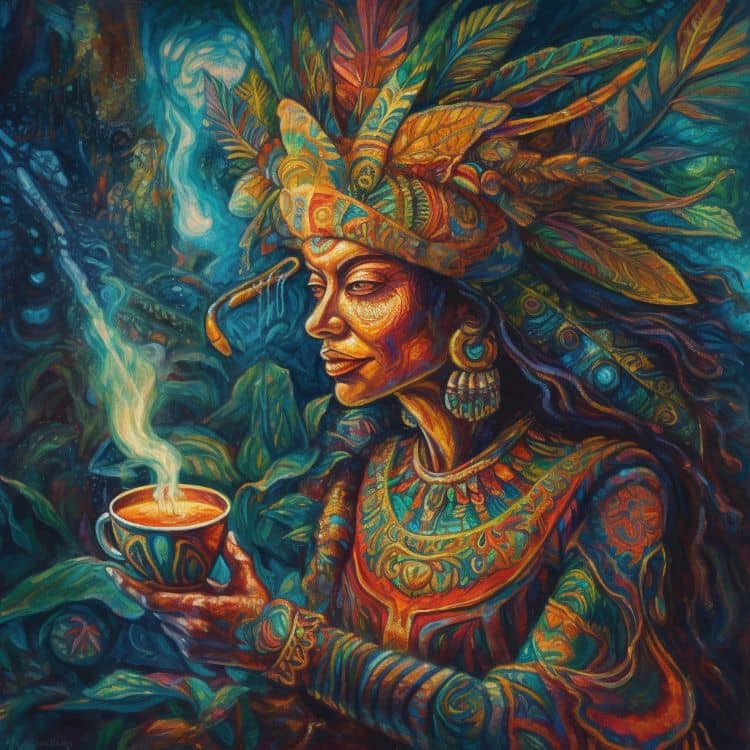
The mother wound does not stay in childhood. It grows up with you and shows up in nearly every area of adult life.
In Romantic Relationships
You may unconsciously choose partners who recreate the mother dynamic. If your mother was emotionally unavailable, you may find yourself drawn to partners who are distant, ambivalent, or unable to give you what you need. If your mother was engulfing, you may feel suffocated by partners who want closeness, or you may lose yourself completely in relationships.
You may struggle to receive love, affection, or care. When someone wants to nurture you, it feels uncomfortable, suspicious, or even frightening. You may push love away or sabotage relationships when they start going well.
You may either give too much, recreating the caretaking role, or you may struggle to let anyone close enough to see the real you.
In Your Sense of Self Worth
There may be a deep sense that you are fundamentally unlovable, even if everything in your external life suggests otherwise. No amount of achievement, praise, or external validation fills the hole.
You may have difficulty believing you deserve good things. You may sabotage opportunities, relationships, or successes because some part of you believes you do not deserve them.
There may be a chronic hunger for validation that is never satisfied, or alternatively, a numbness where self worth should be.
In Your Body and Self Care
You may struggle to nurture yourself physically. Self care may feel selfish, indulgent, or simply not occur to you as something you deserve.
There may be issues around food, comfort, and nourishment. These often connect directly to early experiences of being nurtured or not nurtured.
You may feel unsafe in your body, disconnected from physical sensations, or chronically tense in ways that relate to early survival responses.
In Your Inner World
There may be a critical inner voice that sounds suspiciously like your mother. It may tell you that you are too much, not enough, selfish for having needs, or fundamentally flawed.
You may have difficulty trusting your own perceptions and feelings. If your mother denied your reality or dismissed your emotional experiences, you may doubt yourself constantly.
There may be chronic guilt for having needs, for taking up space, or simply for existing.
The Path to Healing the Mother Wound
Healing the mother wound is not about confronting your mother, getting an apology, or changing her behavior. It may not involve her at all. Healing happens inside you, through a process of recognizing the wound, understanding its origins with compassion, and learning to give yourself what you needed but did not receive.
Stage One: Recognition
The first step is simply seeing the wound clearly. Not as an abstract concept, but as a living pattern in your present life.
Begin noticing when you feel unworthy of love, when you struggle to receive, when you give yourself away in relationships, or when you feel that familiar emptiness that nothing fills. Ask yourself: What did I need from my mother that I did not receive? How do I still try to get this need met in unhealthy ways?
Stage Two: Compassionate Understanding
The wound you carry made sense. It was not a defect in you. It was an adaptation to circumstances you had no control over.
If you learned to caretake others at the expense of yourself, you learned that because your own needs were not met when you expressed them. You adapted brilliantly. The strategy worked then. It simply does not work now.
This understanding allows you to stop shaming yourself for the patterns and start seeing them as intelligent adaptations that have outlived their usefulness.
Stage Three: Separating Past From Present
When your partner asks for connection and you feel suffocated, that is the engulfing mother wound activated, not your partner.
When someone offers you love and you feel suspicious or unworthy, that is the absent mother wound activated, not an accurate read of the situation.
Learning to distinguish between your present reality and your past wound is where freedom begins. The person in front of you is not your mother. This moment is not your childhood. You can respond differently.
Stage Four: Reparenting Yourself
If your mother could not give you unconditional acceptance, you must learn to give it to yourself. This is not a consolation prize. This is the actual healing.
Practice receiving. Let someone help you, give you a gift, do something for you. Let it in without deflecting or minimizing.
Speak to yourself with the voice of a warm, loving mother. Say things like: You are doing your best. I am proud of you. You do not have to be perfect to be loved.
When you feel unworthy of love, place your hand on your heart and say: You are worthy of love. Not because of what you do. Because of what you are.
Stage Five: Integration
Integration does not mean the wound disappears. It means the wound no longer runs your life.
You can feel the old pattern activate and choose not to act from it. You can recognize when you are seeing your mother in someone who is not your mother. You can receive love without suspicion and give love without losing yourself.
The critical inner voice becomes just one voice among many, not the ruling authority. Here you can find more about the Father Wound Healing Guide.
Moving Forward
The mother wound you carry is not your fault. It formed before you had the capacity to understand what was happening or to protect yourself from drawing conclusions about your worthiness based on your mother’s limitations.
But healing it is your responsibility. Not because you caused it, but because you are the only one who can free yourself from it.
The love you needed but did not receive is still available to you. It lives in your own capacity for self compassion, in healthy relationships you choose consciously, and in the growing understanding that you were always worthy of love.
You just needed someone to tell you. And now you know. Find out more about the Human Code.